




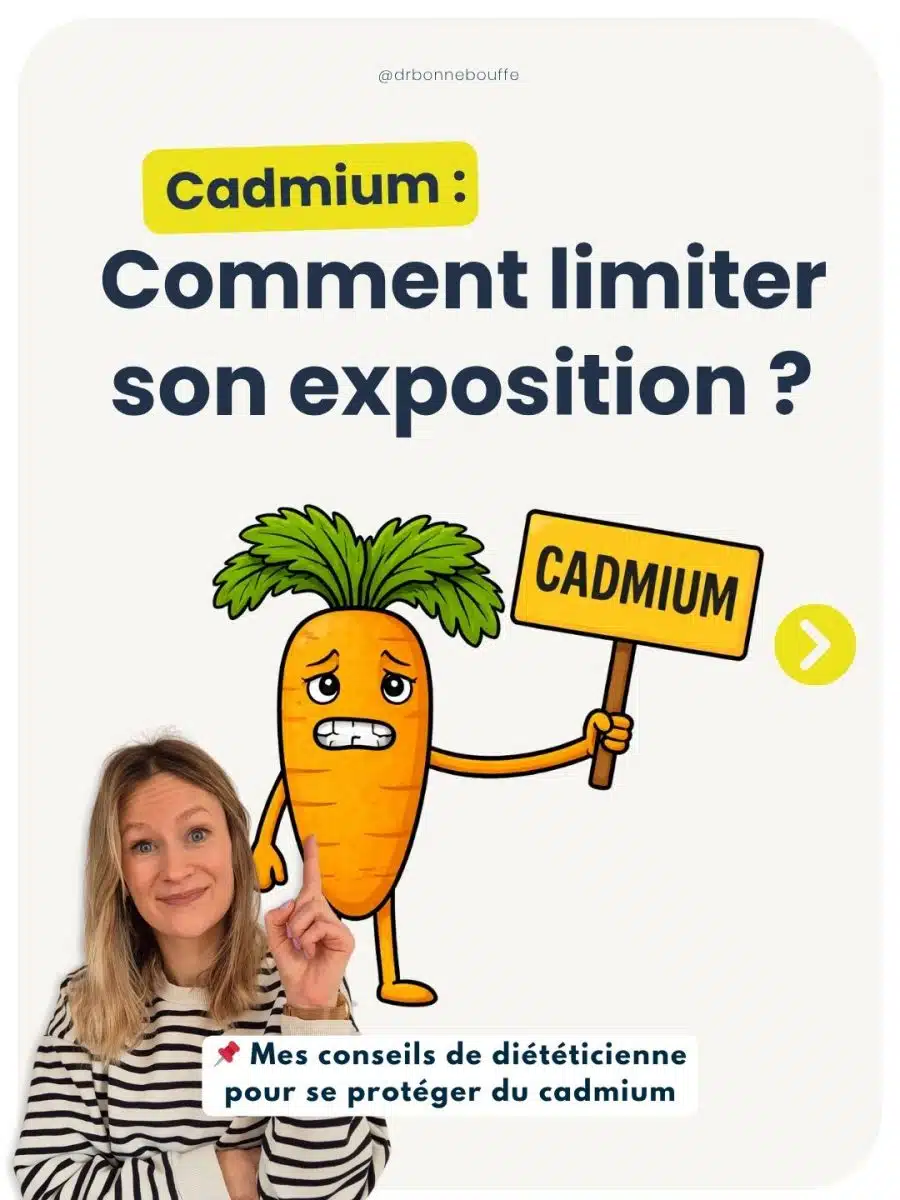
It is THE health scandal of the moment : THE cadmiumthis heavy metal which has found its way into our food. Should we be worried? What foods are affected? And above all, how to limit your daily exposurewithout falling into paranoia? We simply take stock together!
Cadmium: the essentials to understand at a glance
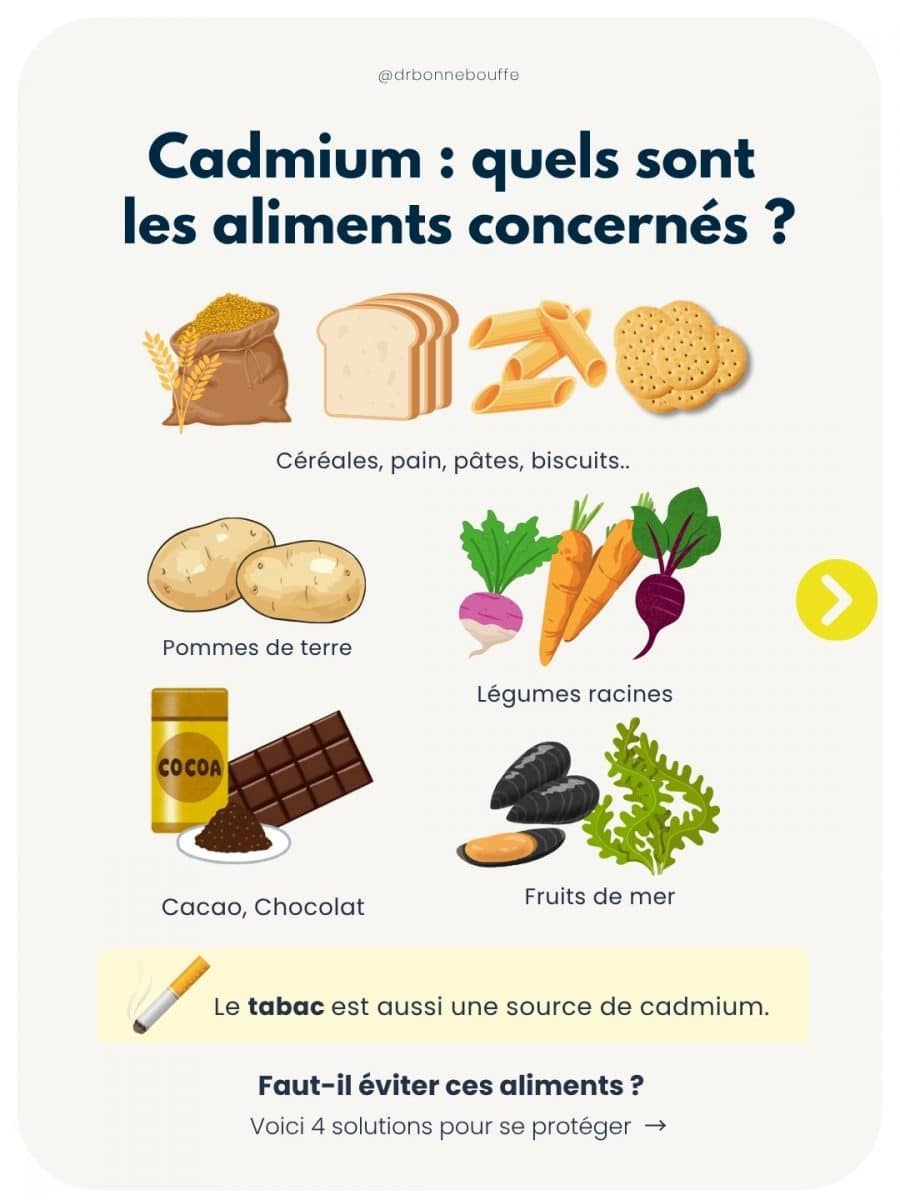
Here is a visual summary to understand cadmium in food at a glance:


I will detail each point just after to go further.
What is cadmium?
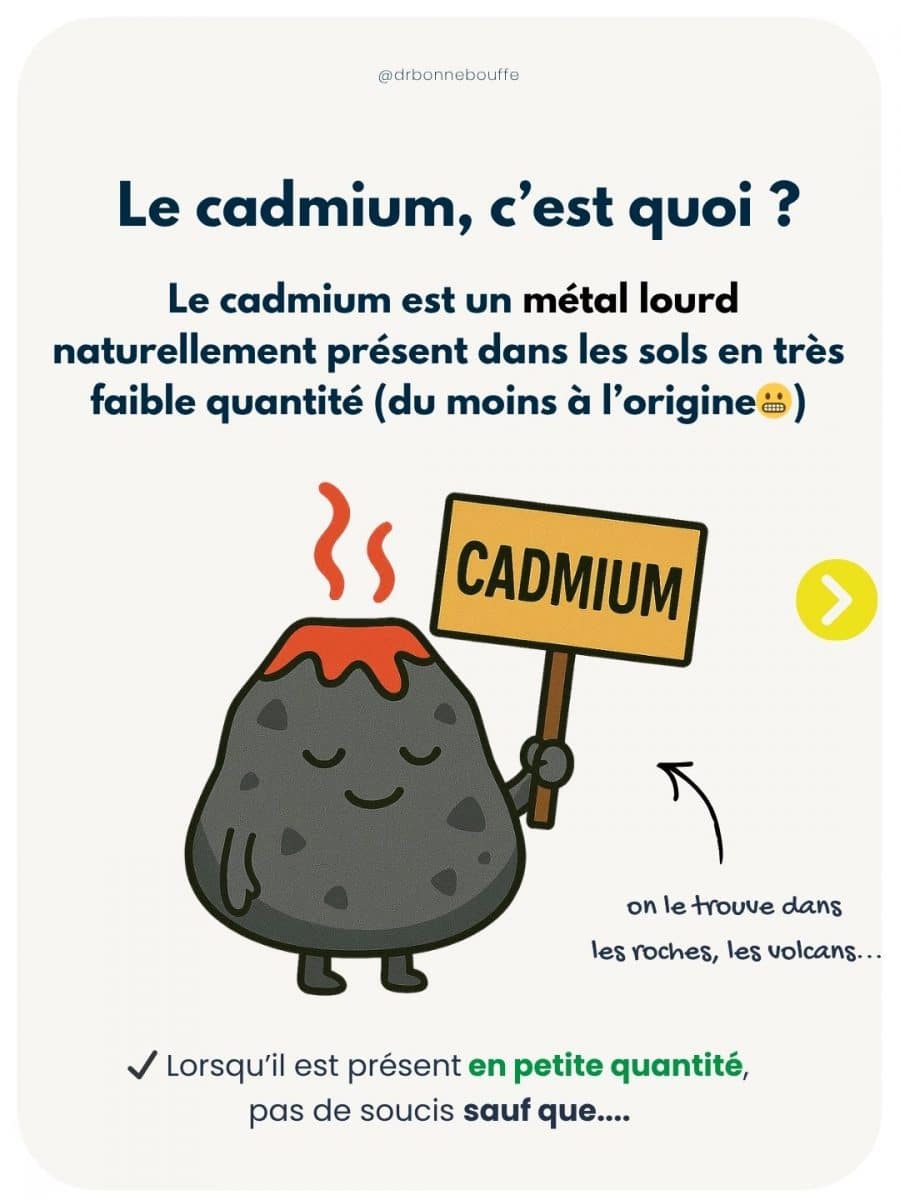
THE cadmium is a heavy metal naturally present in soils, in very small quantities… (at least initially!). It is found in particular in certain rocks or in volcanic areas.
When present in small quantityit does not pose any particular problem. But the problem is thatover the last decades, its accumulation has increased sharply to the point of becoming problematic.
Cadmium in soils: the origin of the scandal
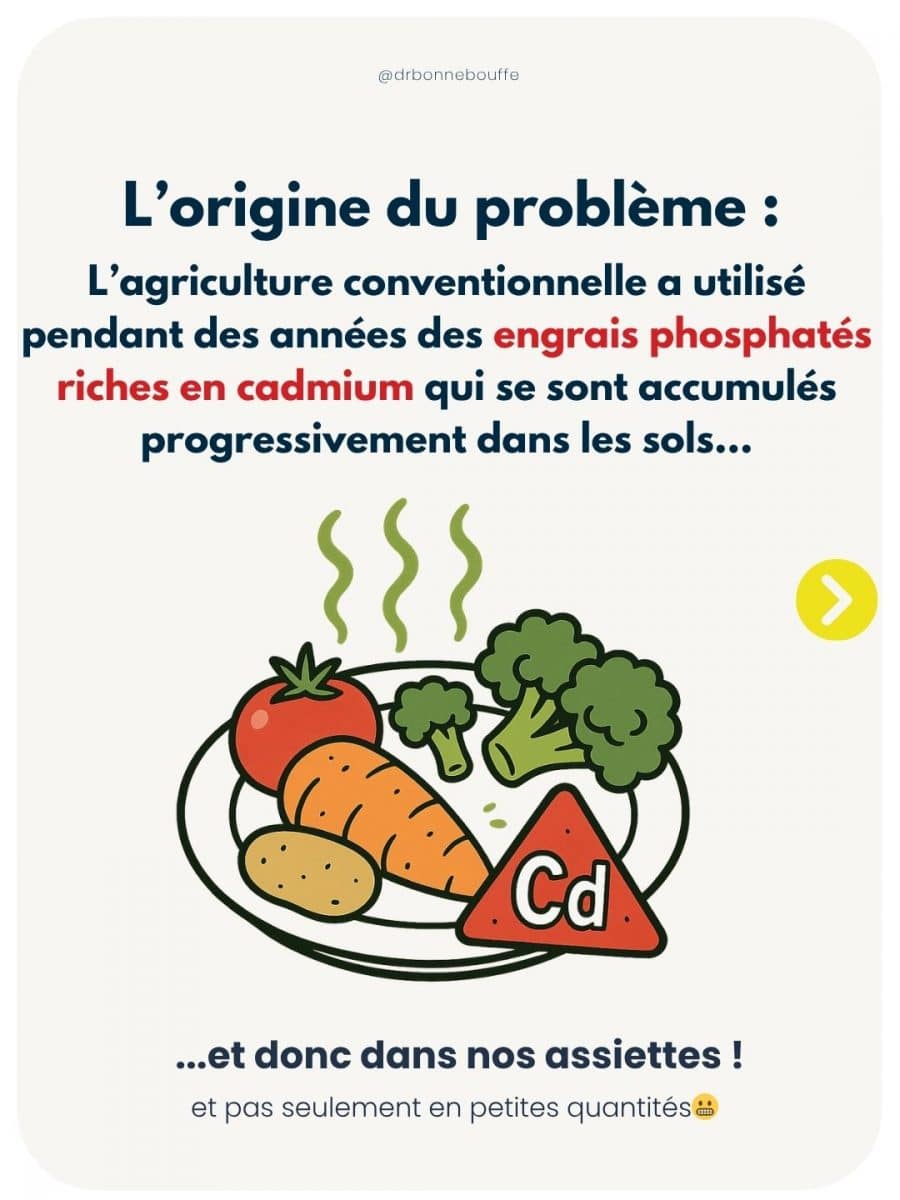
One of the main causes of the scandal is linked to theconventional agriculturewho has used for decades synthetic phosphate fertilizers rich in cadmium. These repeated contributions led to a gradual accumulation in soilsand therefore… in the foods we consume today.
Why is cadmium such a concern?
Cadmium is a contaminant which poses a problem for several reasons:
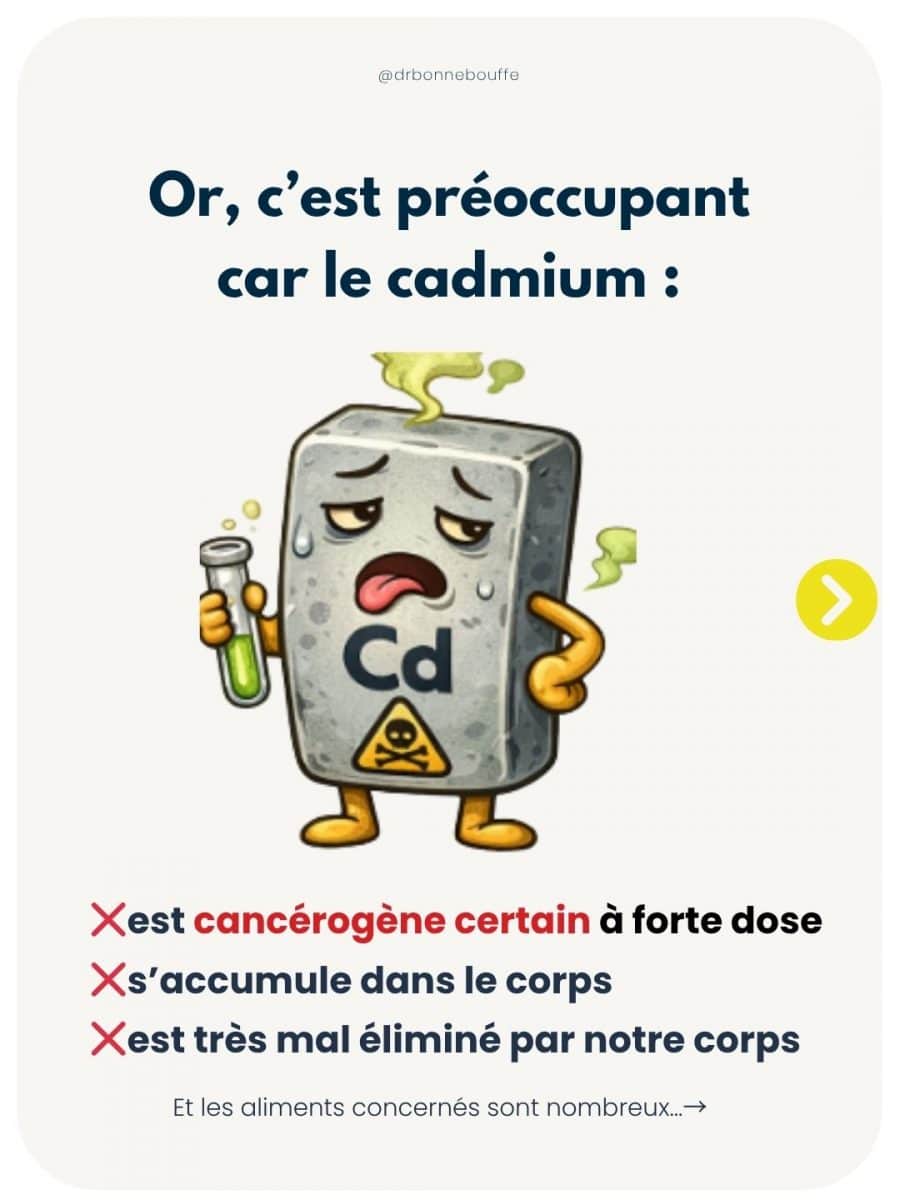
- He is certain carcinogen, at high exposures
- He tends to accumulate in the body
- He is very poorly eliminated by the body
In other words, even small repeated exposures can, in the long term, add up and become harmful to health.
Cadmium in food: which foods are most affected?
Cadmium is found in many everyday foodshence the scale of the problem. We find it in particular:
- THE cereals and cereal products (bread, pasta, biscuits, etc.)
- THE potatoes
- THE root vegetables (carrots, beets, etc.)
- THE cocoa and chocolate
- THE seafoodparticularly algae and shellfish.
Also note: the tobacco is an important source of cadmium in smokers.
Should you avoid these foods?
No. These foods should not be eliminated, because they also provide nutrients essential to our health. The objective is therefore not to avoid them… however it is necessary to limit overall exposurein particular by following the following 4 tips:
5 tips to limit your exposure to cadmium
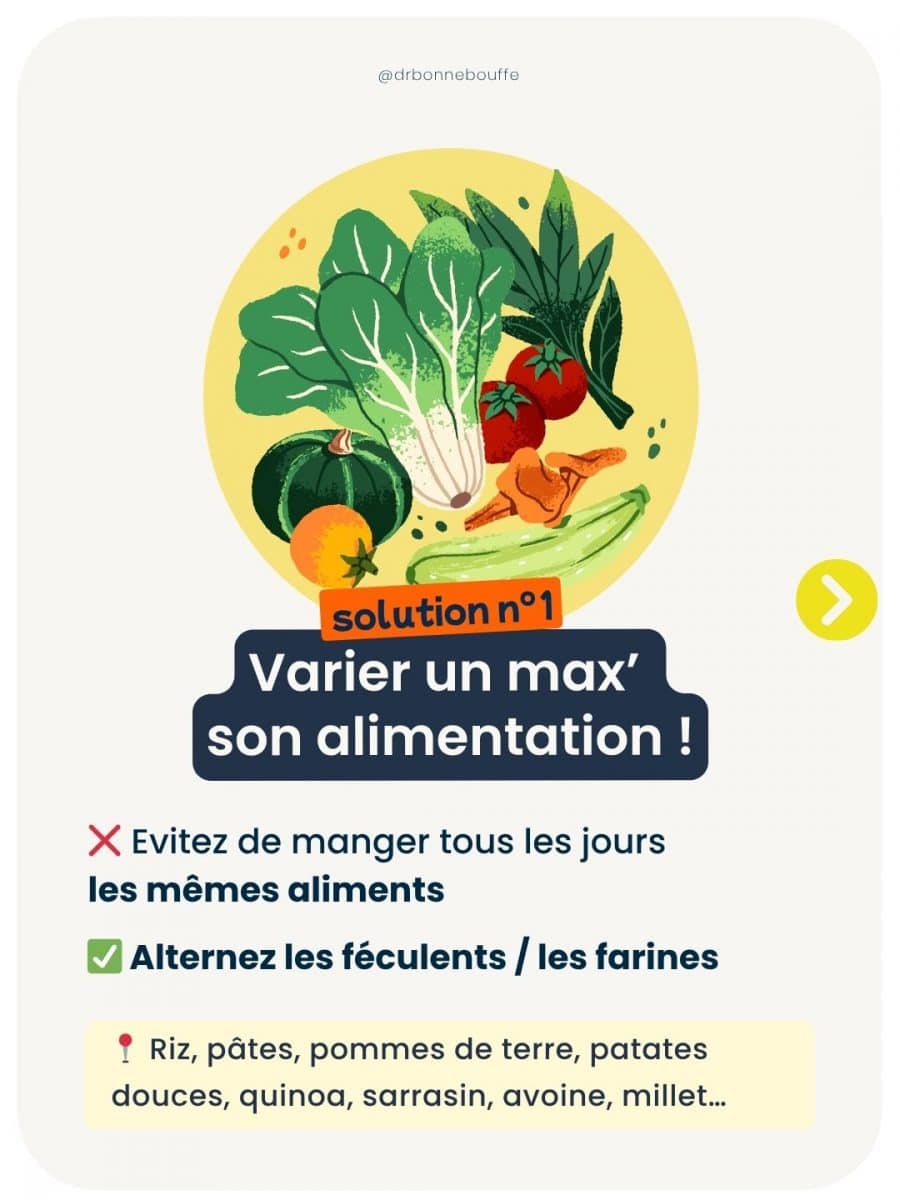
#1 Vary your diet as much as possible
The most important rule is simple: avoid eating the same foods over and over again.
By varying food sources, you automatically reduce the risk of repeated exposure to the same contaminant.
For example, alternate starches and flours : rice, pasta, potatoes, quinoa, buckwheat, oats, millet…
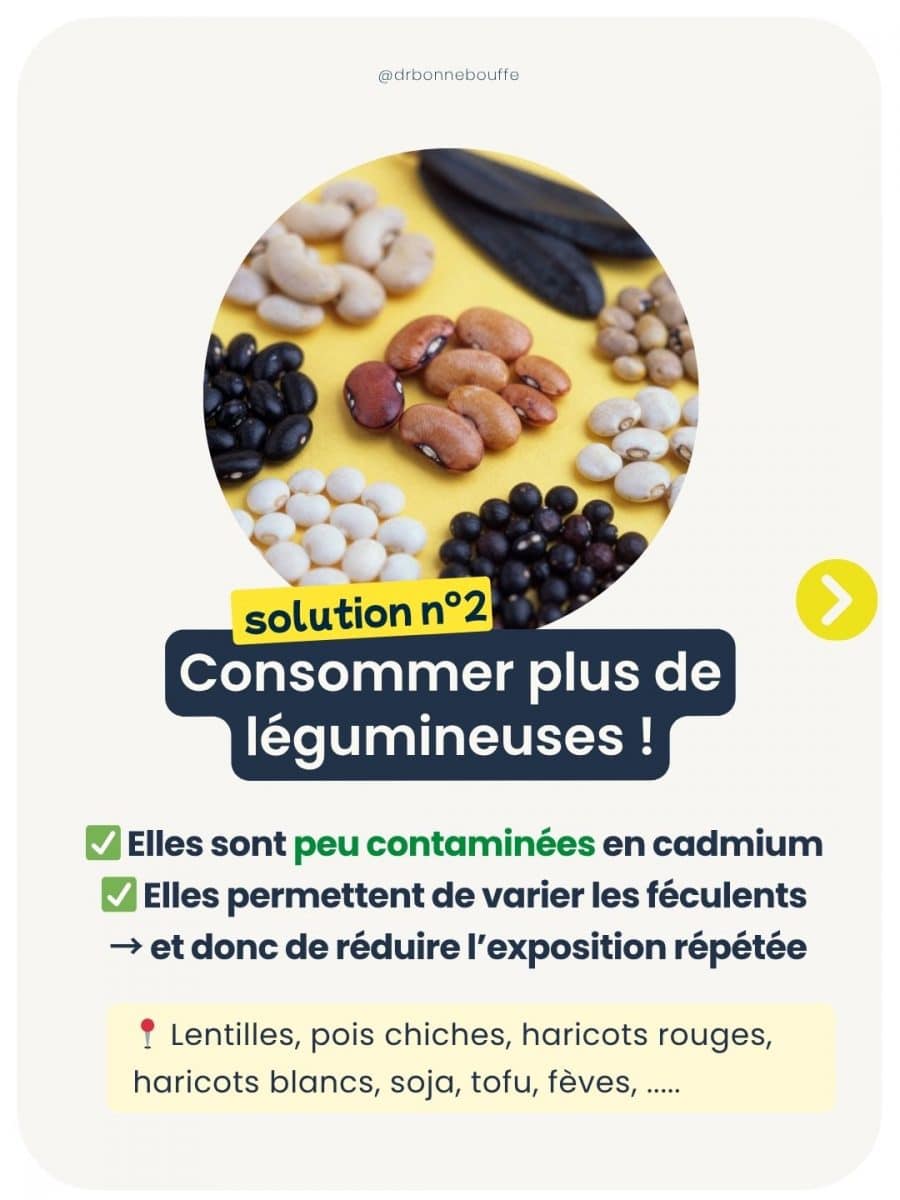
#2 Eat more legumes
THE legumes (lentils, chickpeas, beans, etc.) are interesting because they are generally slightly contaminated with cadmium. Sources of complex carbohydrates, they allow you to vary starchy sourceswhile reducing repeated exposure to certain more contaminated foods.
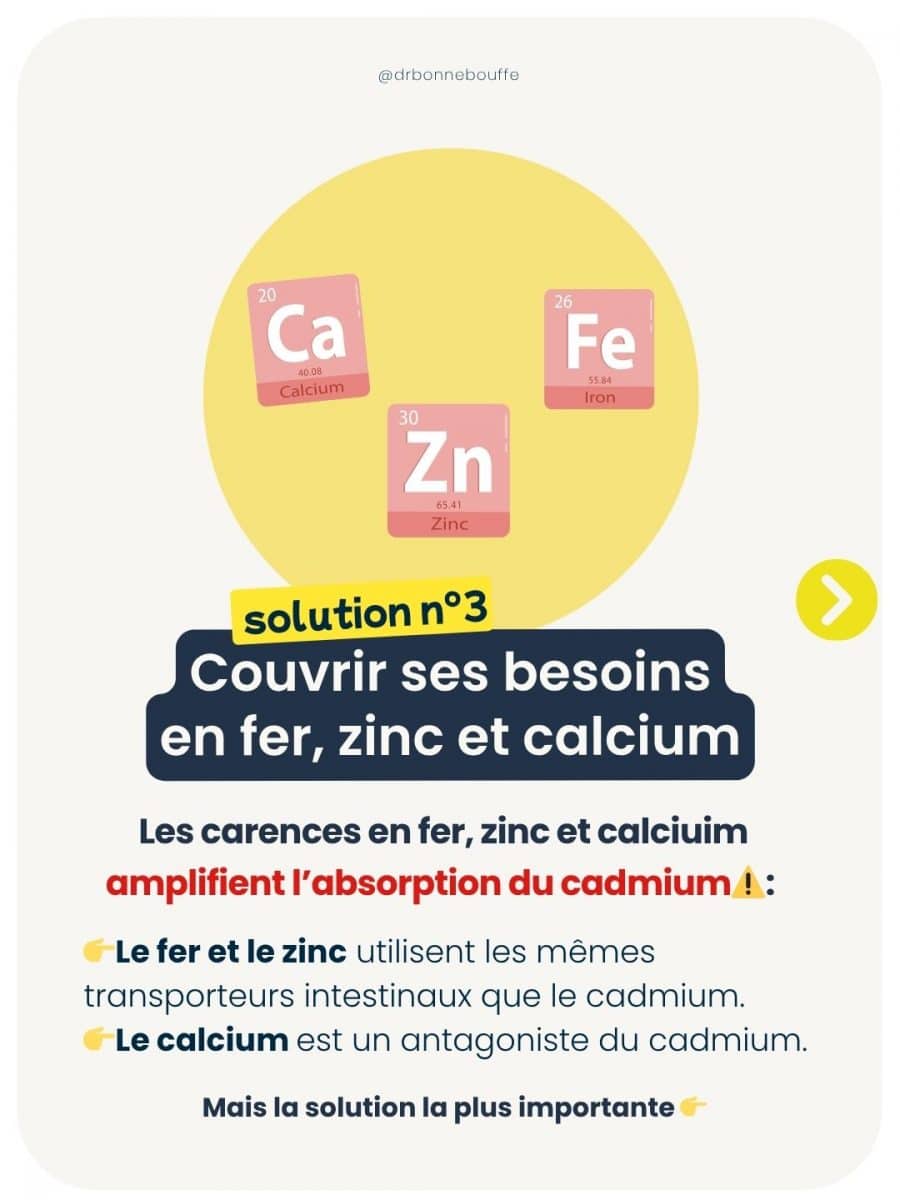
#3 Cover your iron, zinc and calcium needs
An often overlooked point: deficiencies in certain minerals may increase cadmium absorption.
- THE iron and the zinc use the same intestinal transporters as cadmium.
- THE calcium acts like a cadmium antagonistby limiting its absorption.
It is therefore essential to cover your needs with:
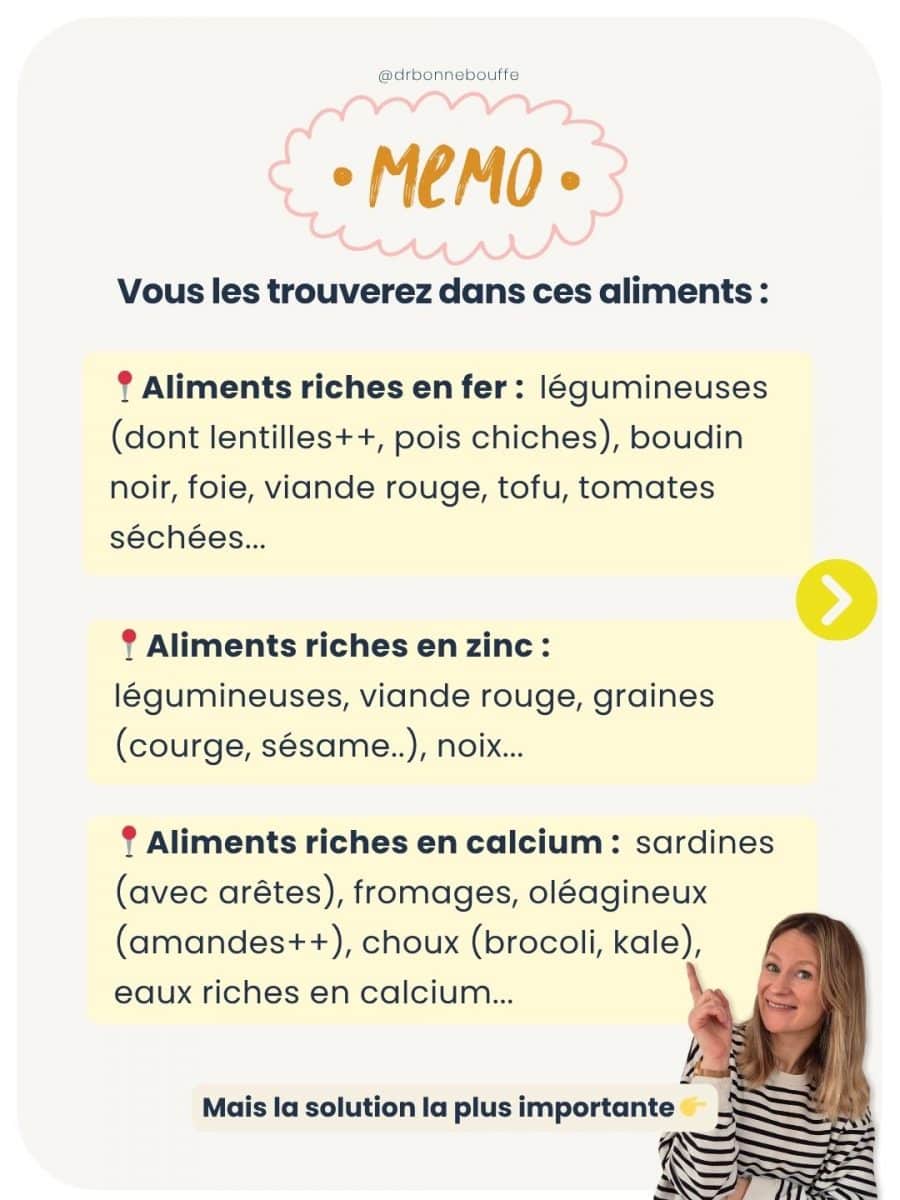
- Foods rich in iron : legumes (including lentils++, chickpeas), black pudding, liver, red meat, tofu, dried tomatoes, etc.
- In zinc : legumes, red meat, seeds (squash, sesame, etc.), nuts, etc.
- And in calcium : sardines (with bones), cheeses, oilseeds (almonds++), cabbage (broccoli, kale), waters rich in calcium, etc.
#4 Limit aggravating factors: tobacco
Tobacco is one of the main sources of exposure to cadmiumwell in front of the food supply. A cigarette can contain cadmium, which passes directly into the bloodstream via the lungs. Stopping smoking (or reducing) is a major lever for reducing overall exposure.
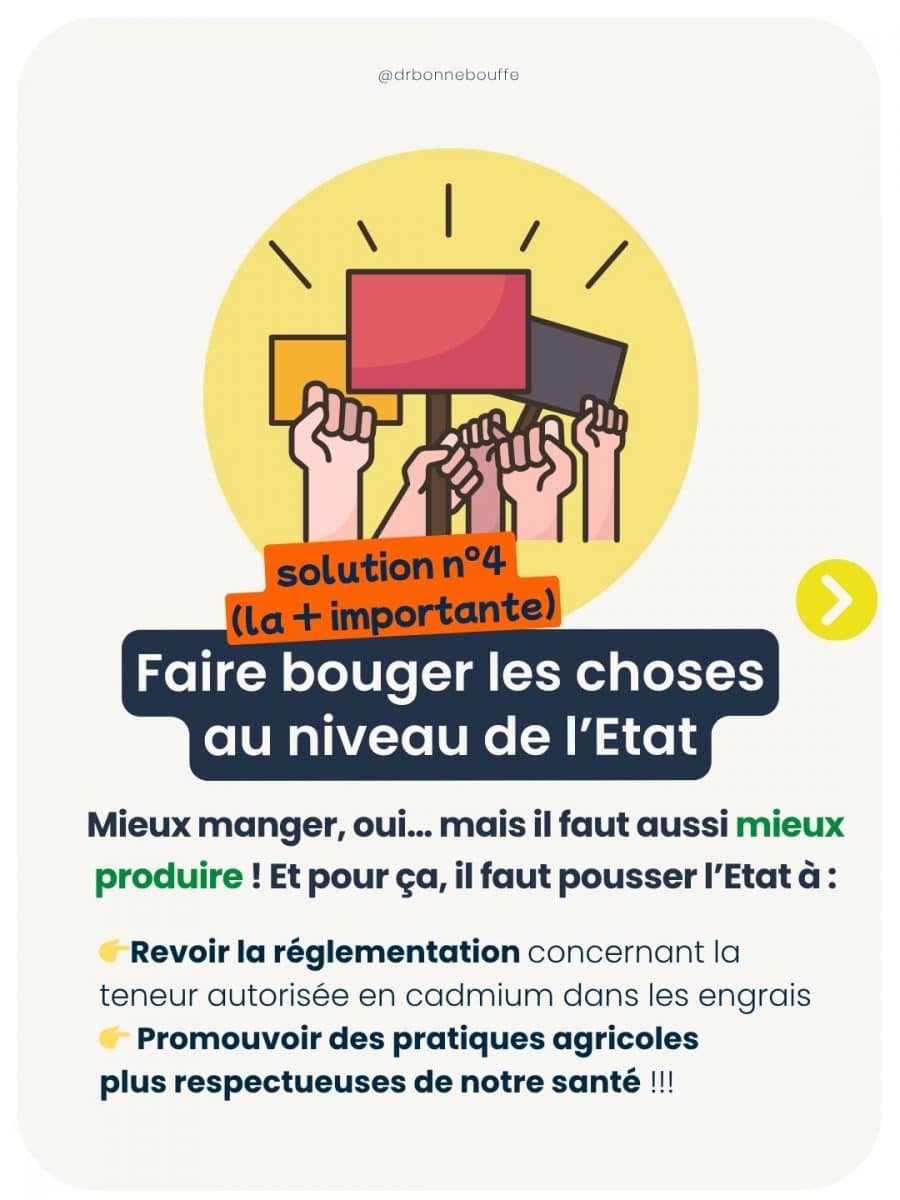
#5 Act on a collective scale
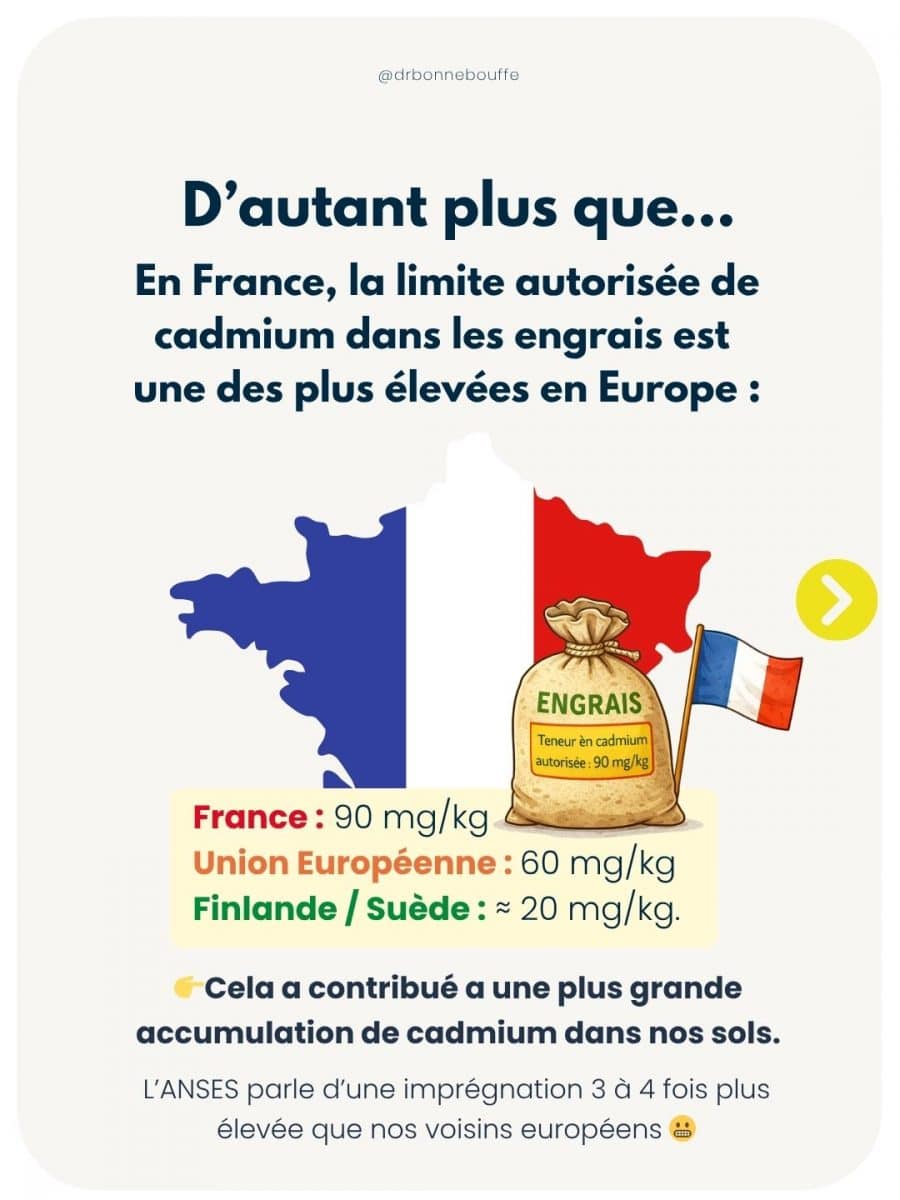
Eat better, yes… but beyond individual nutrition, there is a more global issue. Today, in France, the permitted content of cadmium in fertilizers remains one of the highest (90 mg/kg), compared to other European countries which apply stricter limits (20 to 60 mg/kg). This contributed to a greater accumulation in soilsand therefore in our food.
It is therefore essential to engage the State to act for us, by:
- by changing the regulations
- by encouraging agricultural practices that are more respectful of health
Organic: a better option?
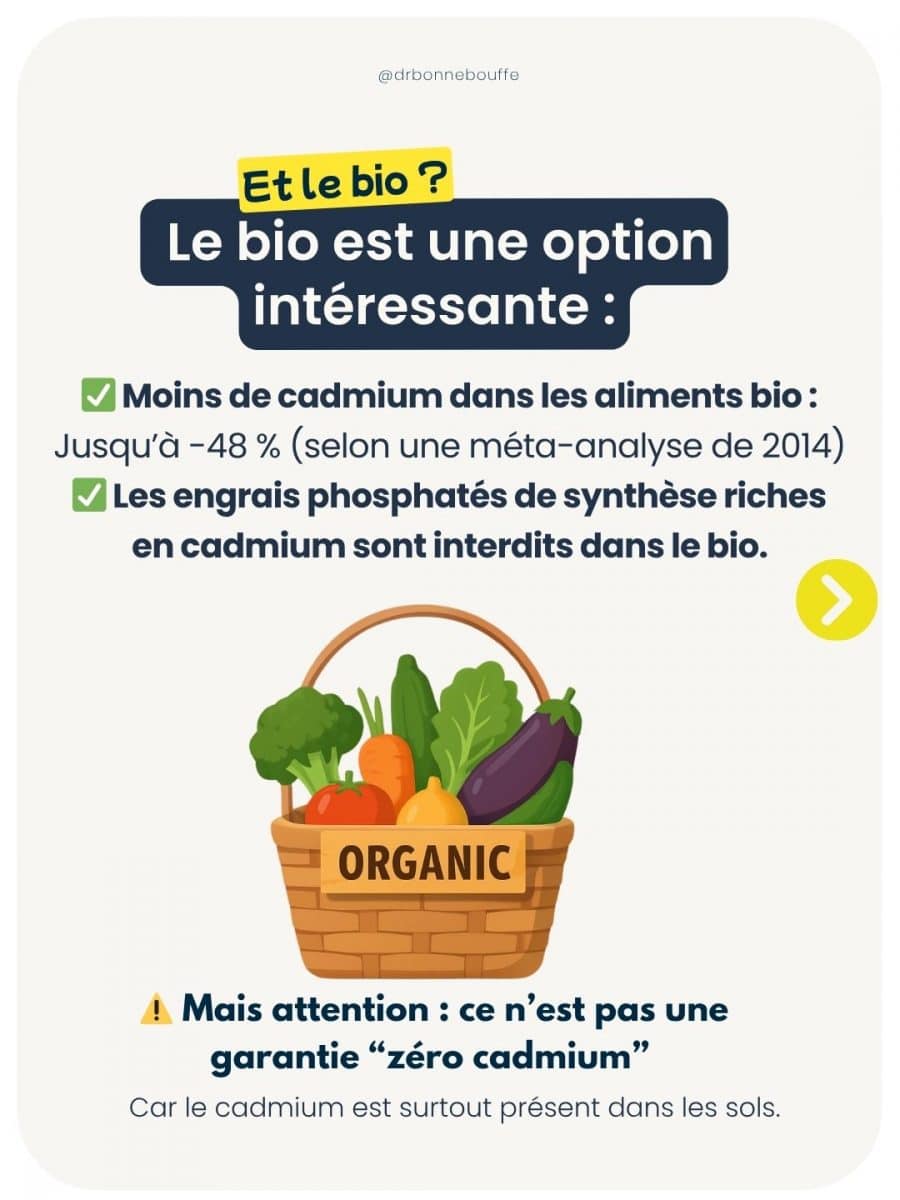
Foods fromorganic farming can be an interesting option. We observe on average less cadmium in organic products (up to -48% according to some analyzes [3]), especially because the synthetic phosphate fertilizers are prohibited.
Please note, however: this does not guarantee “zero cadmium”because this metal is naturally present in soils.
Can we still eat chocolate?
Cocoa is one of the most concentrated sources of cadmium… But there is no need to panic. The cadmium content of chocolate depends mainly on the country of origin of cocoa. We will thus favor chocolate from less contaminated areas (like African countries). We will also avoid the excesssince the risk will depend on the quantities consumed or the frequency of consumption.
With reasonable consumption, chocolate consumption remains overall not very problematicbecause the quantities consumed are generally small (it is a pleasure product). Its contribution to our overexposure to cadmium is therefore minor (around 3%).
Are we all contaminated? My dietitian opinion
Cadmium is present in our environment… but it is important to remember that we are not all exposed in the same way.
Our level of exposure depends above all on our habitsand in particular:
- of our food: a diet very rich in cereals and cereal products can increase exposure. conversely, a varied diet allows you to limit it
- whether you consume organic or not (at least for cereals and cereal products) : because organic, as we have seen, can reduce exposure (less phosphate fertilizers), even if it is not a zero cadmium guarantee
- whether you smoke or not: cigarettes remain one of the most important sources of cadmium outside of food
- and, finally, our nutritional status (particularly iron, zinc and calcium) which also plays a key role.
IIt’s not about worrying unnecessarilybut rather to adopt simple and concrete reflexes on a daily basis. The main tips to remember: eat a variety of foods, don’t smoke, and be careful to meet all your nutritional needs. Concerning organic, if we can afford to take at least cereals from organic farming, that’s a big plus…. But varying, diversifying and covering your needs is enough to make a real difference!
💬 And you, how do you feel about this scandal?
♡ If you enjoyed this article, you can subscribe to the newsletter to regularly receive simple and reliable advice for eating better every day.