





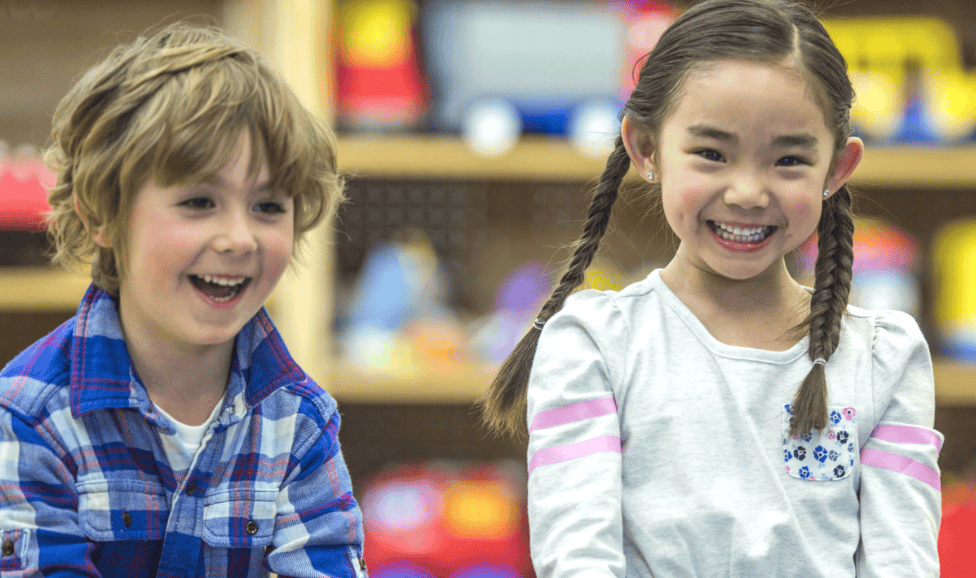
There are educational choices that resemble a bet on the future. Enrolling your child from the age of two in a school where half the day is spent in Mandarin is undoubtedly one of them. But behind what might seem audacious lies a reality well documented by neuroscience: learning Chinese early, in a framework designed for the child’s overall development, is offering them much more than an additional language. It’s giving him a better connected brain.
It is precisely the conviction which brought about the birth of theTsui Lin International Schoolin Saint-Cloud, in September 2023. A unique establishment in France, today located on two campuses, in Saint-Cloud and in the 7th arrondissement of Paris, which welcomes children from 2 to 9 years old in a trilingual French-Chinese-English environment. And winner, in March 2026, of the Prize for educational innovation awarded by the Kairos Foundation, hosted by the Institut de France.
Mandarin, a language that works the brain differently
Not all languages tax the brain in the same way. French, like most European languages, is based on an alphabetical system in which each sign represents a sound. Mandarin works according to a radically different logic: its ideograms are complex visual forms, loaded with meaning, which give no clue as to their pronunciation. To decode them, the brain mobilizes areas that remain little used in alphabetical reading, in particular regions linked to shape recognition and visuospatial analysis.
Work published in the journal Communications Biology showed that learning a second language during childhood strengthens functional connectivity between different regions of the brain, and that the earlier this exposure, the more extensive the areas involved in neuroplasticity. Applied to Chinese, this effect is amplified by the very nature of the writing: learning characters develops visual memory, fine motor skills and stimulates brain plasticity in a way that learning the alphabet alone cannot achieve.
There is also the question of tones. Mandarin is a four-tone language: the same sound pronounced differently completely changes its meaning. For a young child, learning to distinguish and reproduce these nuances means refining their musical ear, developing fine attention to sounds and a perceptual sensitivity which will benefit all subsequent learning.
Two years: the right time to start
Pediatricians and language development researchers agree on one point: the period between two and six years of age is an exceptional window of opportunity. The brain is then at its peak of plasticity, capable of absorbing very different linguistic systems without treating them as obstacles. What adults perceive as an insurmountable difficulty, toddlers integrate with natural fluidity, in play, in the rituals of the day, in interactions with their teachers.
At Tsui Lin, this immersion begins in kindergarten. The teachers are all native speakers of their language, the teaching materials are distinct for each language, and the day is organized to alternate between the two linguistic worlds without ever rushing the pace of each child. At the end of kindergarten, students know how to read, write, count and converse in both languages. Some even skip a grade when they arrive at elementary school.
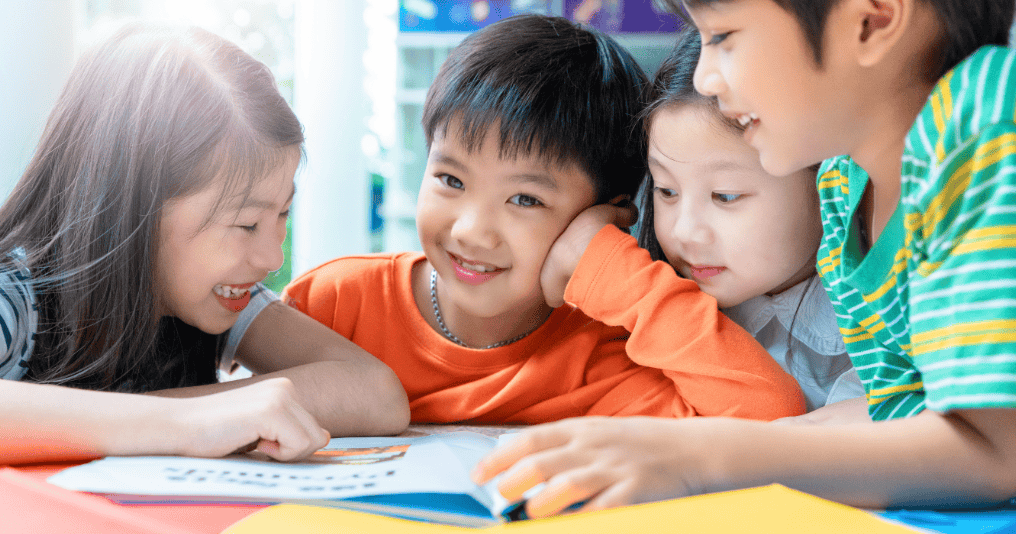
Montessori, nature and zero screen: a triad in the service of well-being
Tsui Lin’s originality is not limited to bilingualism. The school has built a complete, coherent educational project, in which the overall health of the child is a concrete priority, not a communication argument.
Montessori pedagogy occupies a central place. Sensory manipulation, working with the hands, the gradual acquisition of autonomy: everything is designed so that the child builds his self-confidence through real experience, not through external validation. In each classroom, the children choose their activities, progress at their own pace, and learn to organize themselves. This active relationship with knowledge is today recognized as an important factor in academic well-being and long-term mental health.
On Wednesday mornings, whatever the weather, classes move outdoors. Garden, outings to the Champ-de-Mars, nature observations: the outside school is not a break in the week, it is a pillar of the educational approach. Physical activity, contact with living things, free movement contribute to the psychomotor development and emotional balance of children, two dimensions that pediatric health research is increasingly highlighting.
Finally, the school has chosen zero screens since its foundation. A bias that resonates with the recommendations of health authorities: the WHO recommends avoiding all screen use before two years of age and strictly limiting it to one hour per day between three and five years of age. In France, a ministerial decree of July 3, 2025 even banned screens in all places welcoming young children. Tsui Lin had anticipated this fundamental movement from the opening. Here, curiosity is built with hands, bodies, looks and words.
A place for families around the world, and for the children of tomorrow
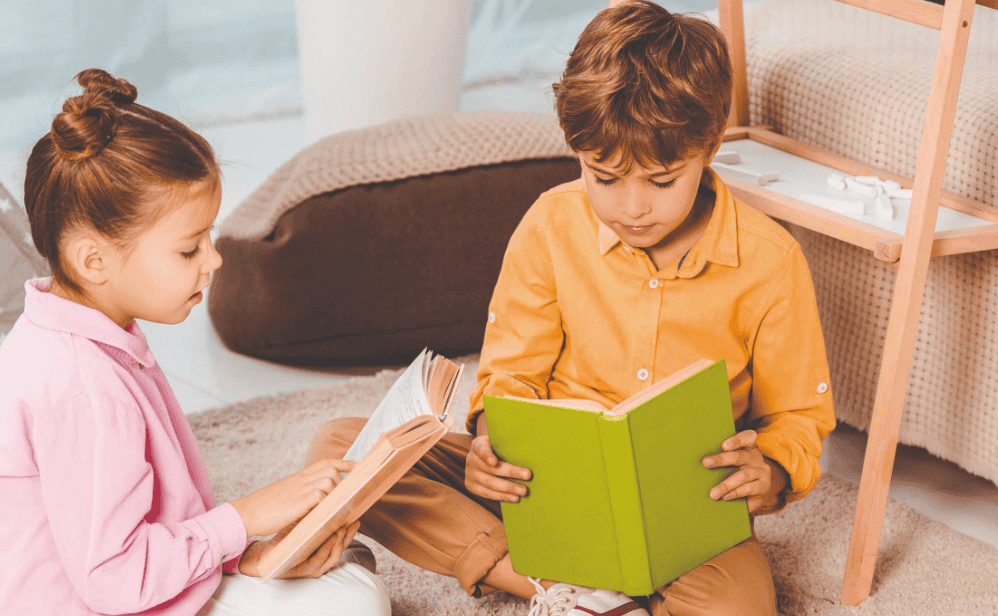
Tsui Lin welcomes very varied profiles: children of Chinese parents living in France, binational families, children of expatriates, but also French families who have simply understood that the world of tomorrow will speak several languages, and that China will be one of them. David Péchoux, director of the school and former director of the Lycée français de Shanghai, carries this vision with a conviction nourished by years spent observing how early biculturalism shapes more flexible, more creative and more confident individuals.
There cognitive health is not an abstract concept reserved for neurologists. It is built, hour after hour, in the quality of the stimulation received during the first years of life. At Tsui Lin, every detail, from the ideograms traced with the fingertips to the bamboos that border the garden, contributes to this discreet but fundamental objective: to give the child a brain that is alive, curious, and ready for a long time.
Post Views: 5